 Save
Save There's something about a one-pot soup that stops me mid-week chaos and reminds me why I love cooking. My neighbor once mentioned how she'd throw everything into a single pot after work, and by the time her kids finished homework, dinner was ready—no fuss, no mountain of dishes. That comment stuck with me, so I started experimenting, and this chicken and rice soup became my answer to those days when I need something warm, filling, and honest.
I made this for my sister after she came home from the hospital, and watching her face light up as she tasted it reminded me that food is really about showing up for people. She asked for seconds, which she never does, and I realized the best meals aren't always complicated—they're just made with attention and care.
Ingredients
- Boneless, skinless chicken breasts (2, about 400 g), cut into bite-sized pieces: Bite-sized pieces cook evenly and make the soup easier to eat; I learned this after fishing out huge chunks that stayed undercooked.
- Medium onion, finely chopped (1): The onion becomes almost invisible as it softens, building a subtle sweetness that anchors the whole pot.
- Carrots, peeled and sliced (2): They stay tender but not mushy if you slice them on the bias, and they add natural sweetness that balances the savory broth.
- Celery stalks, sliced (2): This is the holy trinity base—onion, carrot, and celery together create a flavor foundation that tastes like home.
- Garlic cloves, minced (3): Don't skip this step or use pre-minced; the fresh garlic blooms in the hot oil and fills the kitchen with an aroma that makes everyone want to stay for dinner.
- Long-grain white rice, rinsed (2/3 cup or 120 g): Rinsing removes the starch, so the rice grains stay separate instead of turning gummy; this single step changed my soup game.
- Low-sodium chicken broth (6 cups or 1.5 liters): Low-sodium lets you control the salt and keeps the flavors bright instead of masked by too much salt.
- Olive oil or unsalted butter (1 tablespoon): Olive oil keeps it light and dairy-free; butter adds richness if you prefer, and either way the choice is yours.
- Dried thyme (1 teaspoon): Thyme whispers herb flavor without overpowering, and it pairs naturally with chicken in a way that feels timeless.
- Bay leaf (1): Remove it before serving, but while simmering it releases subtle pine-like notes that elevate the whole pot.
- Black pepper (1/2 teaspoon): Freshly cracked pepper tastes alive compared to pre-ground; it makes a real difference in something so simple.
- Salt (3/4 teaspoon, or to taste): Start with less; you can always add more once you taste it, but you can't take it back.
- Fresh parsley, chopped (2 tablespoons): Parsley added at the end stays bright and fresh, like a little green hello at the top of your bowl.
- Lemon wedges, for serving (optional): A squeeze of lemon at the table adds brightness and lets each person adjust the flavor to their mood.
Tired of Takeout? 🥡
Get 10 meals you can make faster than delivery arrives. Seriously.
One email. No spam. Unsubscribe anytime.
Instructions
- Build your base with softer vegetables:
- Heat the olive oil or butter in a large pot over medium heat, then add the onion, carrots, and celery. Stir occasionally for about 5 minutes until the vegetables start to soften and the onion turns translucent—you'll know it's working when the smell fills the kitchen.
- Wake up the garlic:
- Stir in the minced garlic and cook for exactly 1 minute; this mellows its sharpness and releases that irresistible aroma. Don't walk away or let it burn, just stand there and breathe it in.
- Sear the chicken briefly:
- Add the chicken pieces and cook for 2–3 minutes, stirring often, until the outside turns opaque and lightly golden. The chicken doesn't need to cook all the way through yet; it's just getting introduced to the pot.
- Bring it all together:
- Stir in the rinsed rice, chicken broth, thyme, bay leaf, salt, and pepper. You'll see everything float and swirl together—this is the moment when separate ingredients become a soup.
- Simmer gently and low:
- Bring the pot to a boil, then turn the heat down to a simmer and cover it. Cook for 20–25 minutes, stirring occasionally, until the rice is tender and the chicken is cooked through. The kitchen will smell impossibly good.
- Taste and adjust:
- Remove the bay leaf with a spoon, then taste a spoonful. Add more salt or pepper if it needs it—this is your soup, so make it taste right to you.
- Finish with green and brightness:
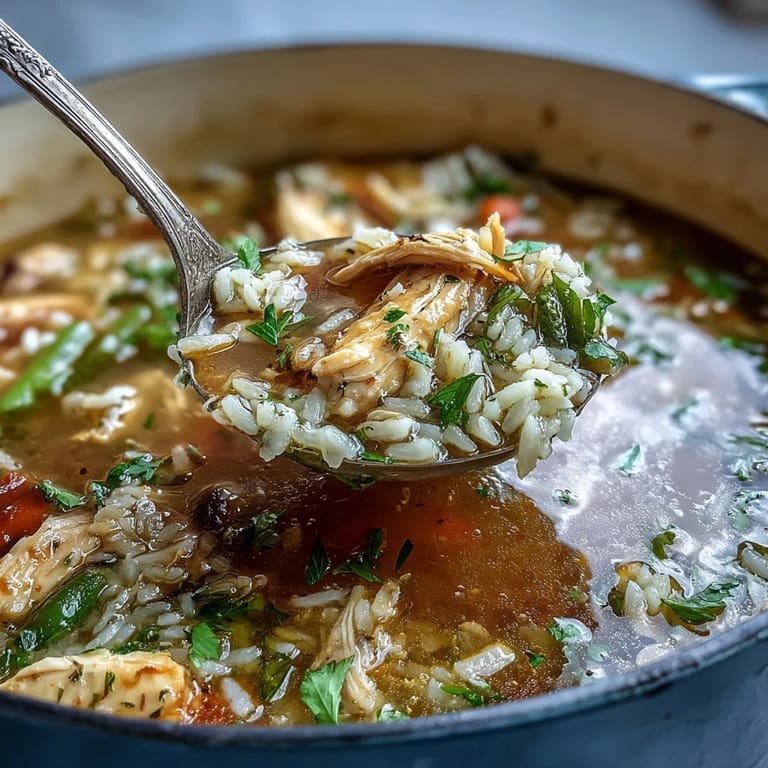
- Stir in the fresh parsley just before serving. If you want to add lemon brightness, let each person squeeze a wedge into their own bowl.
 Save
Save My daughter once asked why this soup was different from canned versions, and I realized it was because we cooked it together, talking the whole time. That act of slowing down and paying attention to the pot, the smell, the sounds—that's what makes it more than just dinner.
Variations That Keep It Interesting
I love recipes that bend without breaking, and this soup is flexible by design. Brown rice works if you have it on hand, though you'll need to add 15–20 minutes to the cooking time; I've done it on lazy weekends when I wanted something earthier.
Greens and Add-Ins Worth Trying
Spinach or kale added in the last 5 minutes wilts softly into the broth and adds a gentle earthiness without changing the character of the soup. A Parmesan rind simmered with the broth and removed before serving is my secret trick when I want the flavors to feel more sophisticated; it sounds fancy but costs almost nothing.
Storing and Reheating Like a Pro
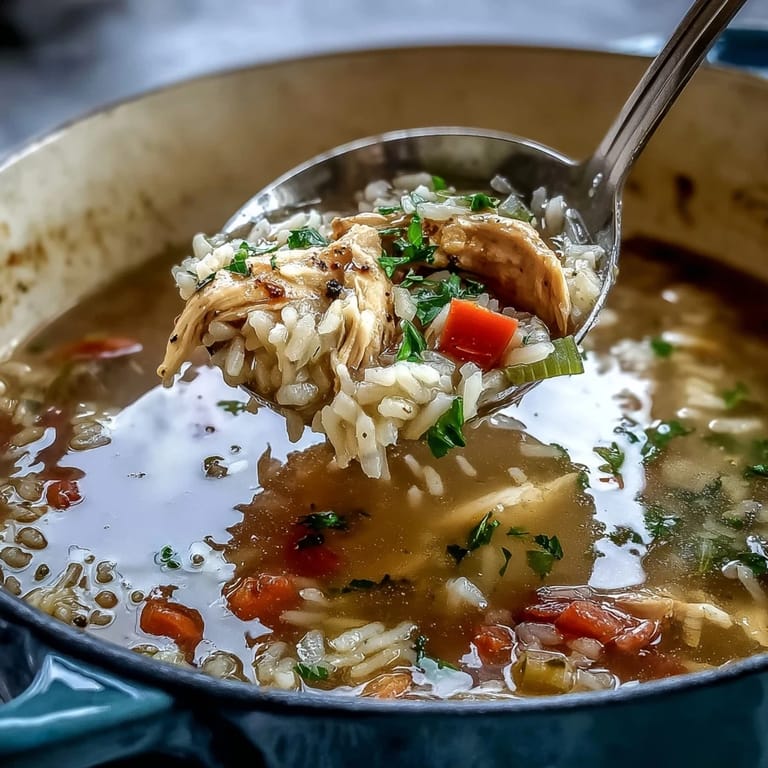
This soup keeps beautifully for up to 4 days in the refrigerator in an airtight container, and it actually tastes better the next day once all the flavors have gotten to know each other. When you reheat, warm it gently on the stove, stirring often, and add broth or water if it's thickened too much—the rice will have absorbed all those lovely liquids overnight.
- Freeze individual portions in glass containers for mornings when you need soup faster than you can make it.
- Add fresh herbs and a squeeze of lemon each time you eat it, even leftovers, so it never feels repetitive.
- Keep extra broth on hand because every pot and stove behaves a little differently, and you might need more or less liquid than expected.
 Save
Save Make this soup the next time you need comfort without ceremony, or when someone in your life could use a warm, honest meal. It's the kind of food that says everything without needing to say anything at all.
Recipe FAQs
- → Can I use brown rice instead of white rice?
Yes, brown rice can be used, but it requires a longer simmering time (15–20 minutes more) to become tender.
- → How do I make this dish dairy-free?
Use olive oil in place of butter to keep the dish dairy-free while maintaining rich flavor.
- → Can I add greens like spinach or kale?
Adding spinach or kale in the last 5 minutes of cooking adds color and nutrition without overpowering the flavors.
- → Is it necessary to brown the chicken before simmering?
Browning the chicken pieces lightly adds flavor and texture but is optional if you're short on time.
- → How can I adjust seasoning to taste?
After cooking, taste and adjust salt and pepper as desired. Adding fresh parsley at the end brightens the flavors.