 Save
Save My coworker brought this Korean beef bowl to our office potluck one Tuesday, and I watched three people go back for seconds before I even got to taste it. The aroma of gochujang and sesame oil had filled the break room, and when I finally tried it, I understood the fuss immediately—savory, slightly spicy, ready in under thirty minutes, and somehow tasting like it required way more effort than it actually did. I've been making it ever since for weeknight dinners when I want something that feels indulgent but doesn't demand hours in the kitchen.
I made this for my partner on a rainy Friday when neither of us felt like going out, and something shifted about how we approached meal prep together. He sliced vegetables while I managed the sauce, and the whole kitchen smelled like a Korean restaurant by the time we sat down. It became our shortcut dinner, the one we reach for when we want restaurant quality without leaving home, and now it's requested almost weekly.
Ingredients
- Ground beef: Lean works best so you're not draining excess fat, but don't stress if you only have regular—just pour off what accumulates as it cooks.
- Gochujang: This Korean chili paste is the backbone of the whole dish, bringing depth and gentle heat that builds as you eat rather than hits you immediately.
- Soy sauce: Low-sodium keeps you in control of the saltiness; tamari is your friend if you're avoiding gluten.
- Brown sugar: Just a touch to round out the sauce and balance the spice with subtle sweetness.
- Sesame oil: Use this as your cooking base—it adds a toasty, nutty flavor that regular oil simply cannot replicate.
- Garlic and ginger: Fresh is always better, and the combination of these two minced together creates an aromatic foundation that makes everything taste more intentional.
- Rice vinegar: A splash of acid brightens the whole sauce and prevents it from tasting one-note.
- Rice or cauliflower rice: Whatever base you choose, make sure it's warm when you serve—cold rice changes everything about the eating experience.
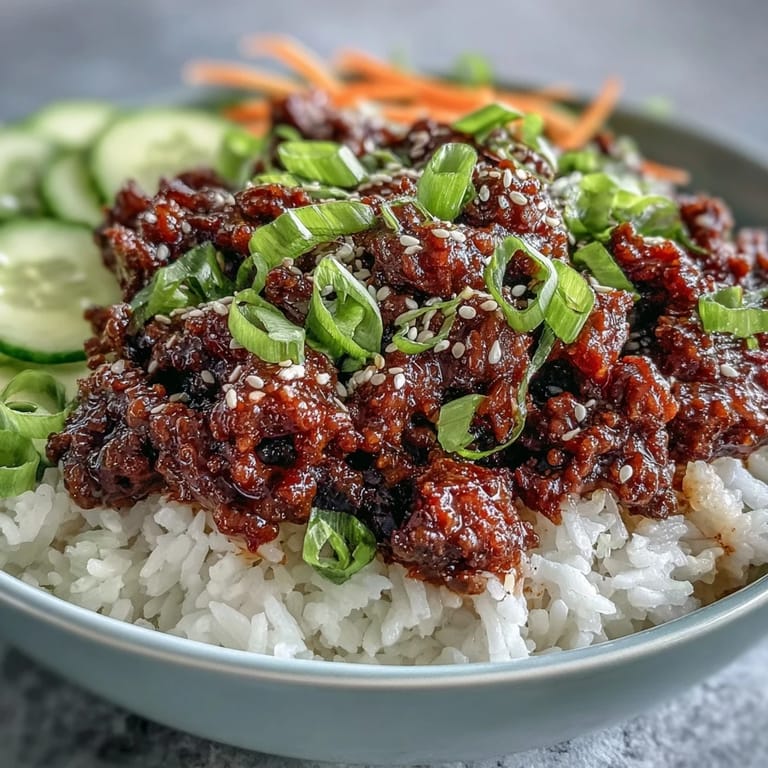
- Fresh vegetables: Cucumber, carrot, green onions, and sesame seeds aren't just pretty; they add textural contrast and freshness that cuts through the richness of the beef.
Tired of Takeout? 🥡
Get 10 meals you can make faster than delivery arrives. Seriously.
One email. No spam. Unsubscribe anytime.
Instructions
- Get Your Pan Ready and Brown the Beef:
- Heat sesame oil in a large skillet over medium-high heat until it shimmers, then add your ground beef and let it sear without stirring for the first minute—this helps it brown instead of steam. Break it apart with a spoon and cook until no pink remains, about 4 to 5 minutes total.
- Build the Aromatic Base:
- Add minced garlic and ginger to the beef, and you'll immediately notice the smell intensify and transform the whole pan into something restaurant-worthy. Stir constantly for about a minute until fragrant, watching carefully so nothing burns.
- Create the Sauce:
- Stir in gochujang, soy sauce, brown sugar, rice vinegar, and black pepper all at once, mixing thoroughly so the chili paste breaks down and coats every piece of beef. Simmer for 2 to 3 minutes, stirring occasionally, until the sauce thickens slightly and clings to the meat like a glaze.
- Taste and Adjust:
- This is crucial—take a spoon, blow on it, and actually taste before you serve, because different brands of gochujang vary in heat and saltiness. Add more soy sauce if it needs salt, brown sugar if it needs sweetness, or an extra teaspoon of gochujang if you want more kick.
- Compose Your Bowls:
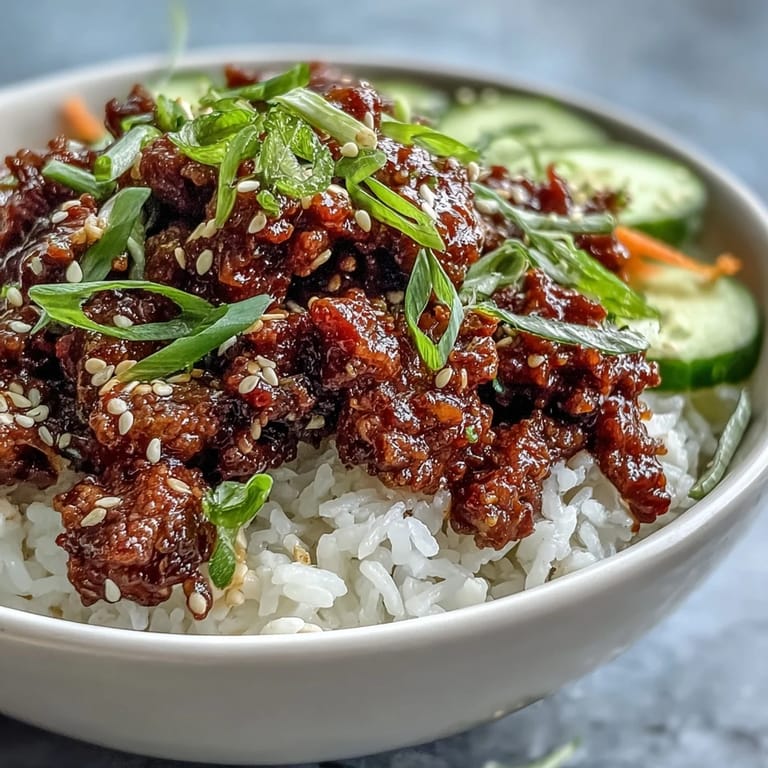
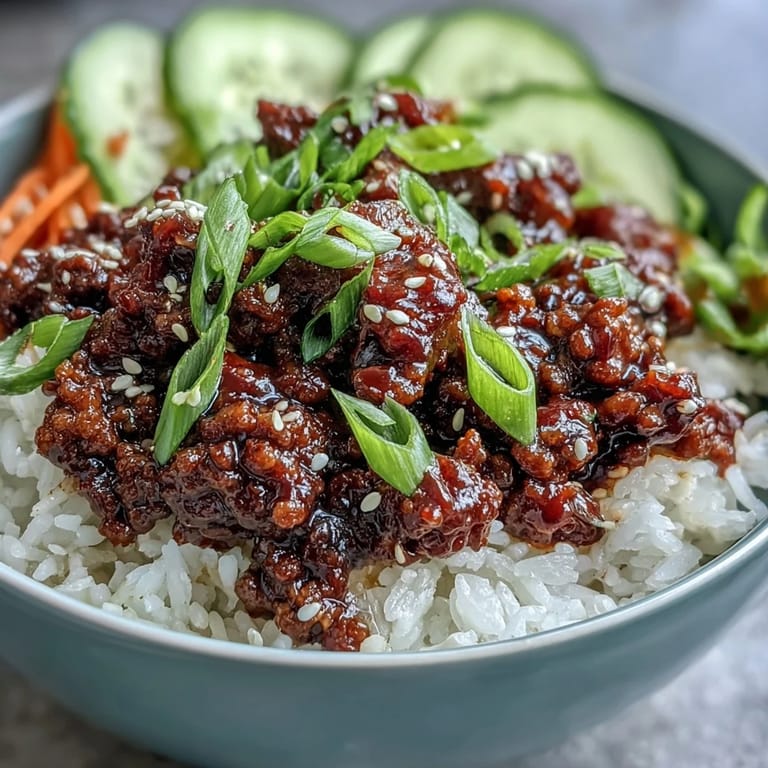
- Divide warm rice or cauliflower rice among your bowls, then spoon the beef and sauce generously over the top. Layer your fresh toppings—sliced cucumber, shredded carrot, green onions, and sesame seeds—creating little pockets of color and crunch.
 Save
Save My neighbor knocked on my door one evening with a worried expression, saying her teenage daughter had declared she'd never eat anything interesting again—just plain chicken and rice for the rest of her life. I made this bowl for them, and something about the combination of flavors, temperatures, and textures unlocked her willingness to try other foods. That small moment reminded me that good food sometimes opens doors you didn't know were closed.
Playing with Heat and Flavor
Gochujang has a reputation for being intimidatingly spicy, but honestly, it's more nuanced than that. The heat builds slowly, and the chili paste brings earthiness and umami that makes people want another bite even if they think they don't like spicy food. If you're cooking for people with varying heat tolerances, keep the gochujang amount at two tablespoons, then offer sriracha or extra chili on the side so everyone can customize their own bowl.
Rice Choices and What They Mean
White rice absorbs the sauce beautifully and feels indulgent in the best way, while cauliflower rice keeps things light and lets the beef flavor shine without any grain competition. My advice is to choose based on your mood—if you want comfort, go traditional; if you want to feel good about eating a beef bowl, go cauliflower. Either way, make sure your base is warm, because cold rice changes the entire temperature balance of the dish and makes everything taste duller.
Making It Your Own
This recipe is a solid foundation, but it thrives on personalization. I've added kimchi for extra funk, swapped in ground turkey for a lighter version, and even used this sauce on roasted vegetables when beef wasn't in the budget. The beauty of a bowl format is that you can adjust every element without apologizing or worrying you've broken something.
- Drizzle a little more sesame oil over the finished bowl if it looks too dry—fat carries flavor and makes everything taste more intentional.
- Keep some gochujang-mayo on hand if you want to add a cooling, creamy element that tames the heat without removing it entirely.
- Double the sauce if you're serving over rice because rice drinks it up way more than cauliflower rice does.
 Save
Save This bowl has become my answer to so many evenings—when I'm tired, when friends are coming over, when I want to prove that weeknight cooking can taste intentional. It's taught me that sometimes the best meals aren't complicated, just thoughtfully seasoned and served with care.
Recipe FAQs
- → What does gochujang taste like?
Gochujang offers a complex flavor profile combining sweet, savory, and spicy notes. It has a fermented umami richness similar to miso but with a pleasant heat level that builds gradually.
- → Can I make this bowl ahead of time?
The beef mixture stores beautifully for 3-4 days in the refrigerator. Reheat gently on the stovetop, adding a splash of water if the sauce has thickened too much. Assemble bowls fresh for best texture.
- → Is cauliflower rice a good substitute?
Absolutely. Cauliflower rice works wonderfully here, absorbing the flavorful sauce while keeping the dish low-carb and light. It's an excellent option for those watching carbohydrates.
- → How spicy is this dish?
The spice level is moderate and adjustable. Two tablespoons of gochujang provides mild to medium heat that most people enjoy. Increase the amount or add fresh chilies for more intensity.
- → What protein alternatives work well?
Ground turkey or chicken make excellent lighter substitutes. Cook them the same way, though you may want to add an extra teaspoon of sesame oil since they're leaner than beef.
- → Can I freeze the beef mixture?
Yes, the cooked beef freezes well for up to 3 months. Portion into airtight containers or freezer bags. Thaw overnight in the refrigerator before reheating.