 Save
Save The skillet was too hot, and I watched the Pecorino clump into rubbery strings instead of melting into silk. My first attempt at cacio e pepe was a disaster, but my neighbor—a Roman woman who'd been making it for fifty years—laughed and told me the secret wasn't in the recipe, it was in the rhythm. She showed me how to move the pan off the heat, how to add the cheese in handfuls while tossing constantly, and suddenly those three humble ingredients became something I'd crave at midnight.
I made this for my sister the night she got her first promotion, and we ate it straight from the skillet with a bottle of cold Vermentino between us. She kept saying it tasted better than the version we'd had in Trastevere, which I knew wasn't true, but I loved her for saying it. We clinked our forks together and agreed that sometimes the simplest things—pasta, cheese, pepper, and good news—are enough to make a night unforgettable.
Ingredients
- Spaghetti (400 g): Use a brand that holds its shape and has a slightly rough texture so the sauce clings to every strand instead of sliding off.
- Pecorino Romano cheese (120 g, finely grated): This is the soul of the dish, so buy a wedge and grate it yourself because pre-grated versions often contain anti-caking agents that ruin the creaminess.
- Freshly cracked black pepper (2 tsp, plus extra): Toast it in the pan until it smells like a spice market, because that's when the oils release and the flavor becomes bold and almost floral.
- Salt: Pasta water should taste like the sea, salty enough that you'd notice it if you sipped it, because it seasons the noodles from the inside out.
Tired of Takeout? 🥡
Get 10 meals you can make faster than delivery arrives. Seriously.
One email. No spam. Unsubscribe anytime.
Instructions
- Boil the Pasta:
- Bring a large pot of generously salted water to a rolling boil, then add the spaghetti and cook until it still has a little bite in the center. Before you drain it, scoop out at least a cup of that starchy water because it's the secret ingredient that turns grated cheese into velvety sauce.
- Toast the Pepper:
- While the pasta cooks, add the black pepper to a large dry skillet over low heat and let it sizzle for a minute or two until the kitchen smells warm and spicy. This step wakes up the pepper and makes it taste like something entirely new.
- Build the Sauce Base:
- Pour about half a cup of the hot pasta water into the skillet with the toasted pepper and let it bubble gently. The water should look cloudy and feel slick between your fingers, that's the starch you need.
- Toss the Pasta:
- Add the drained spaghetti directly to the skillet and toss it around so every strand gets coated in that peppery, starchy liquid. Work quickly here because timing matters more than you'd think.
- Add the Cheese:
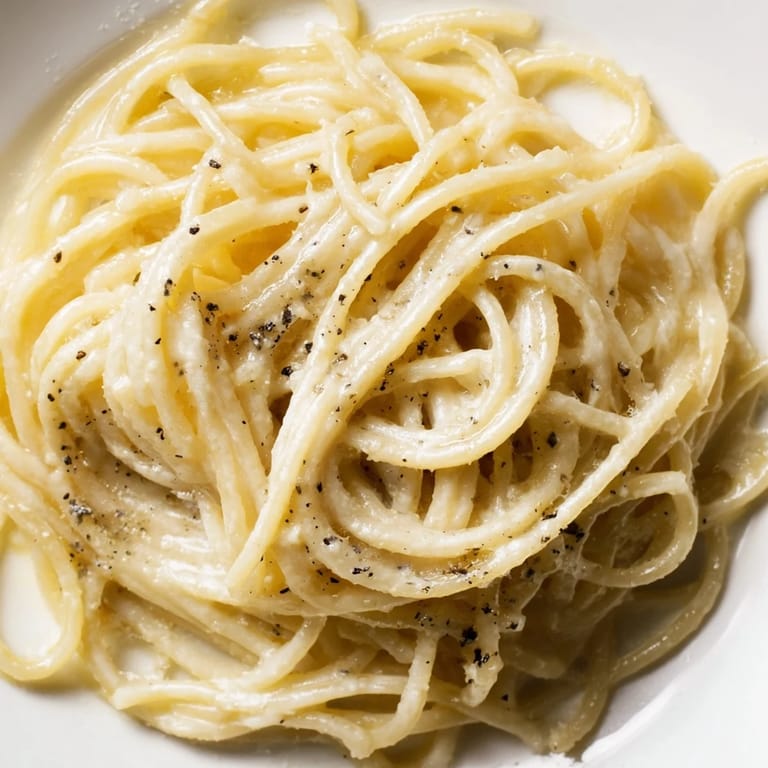
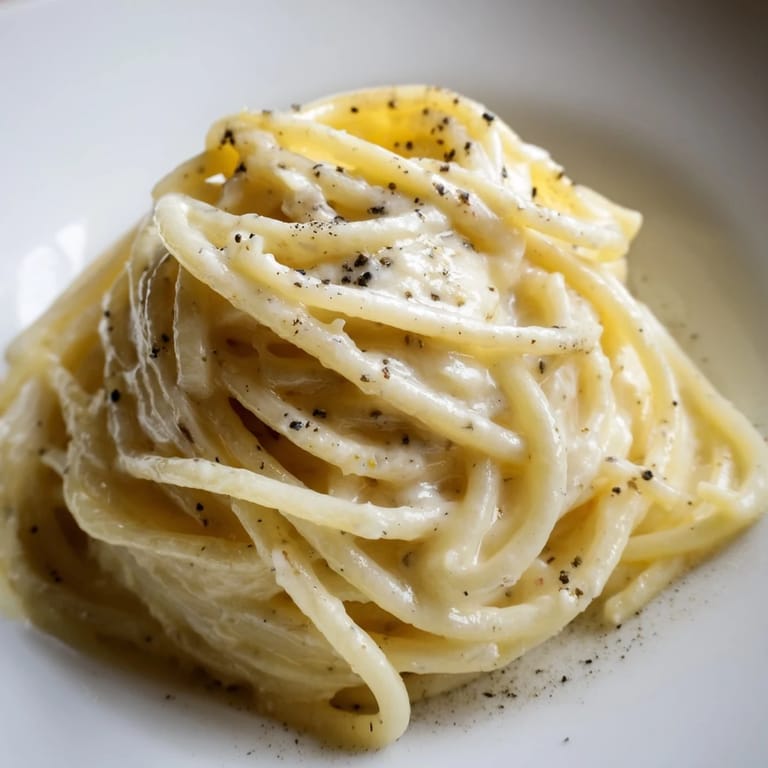
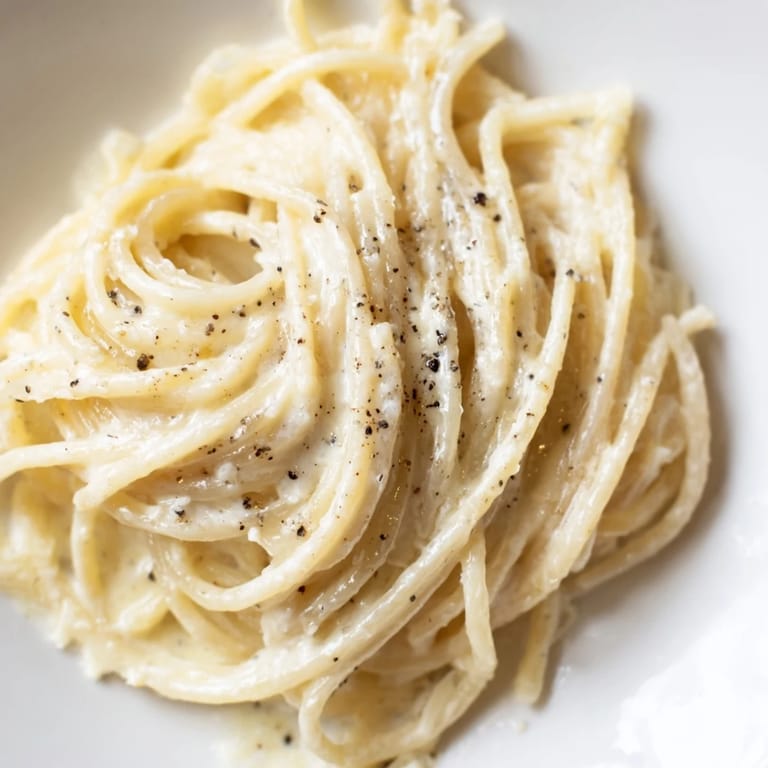
- Pull the skillet off the heat and start sprinkling in the Pecorino a handful at a time, tossing constantly with tongs like you're trying to convince the cheese to melt instead of clump. Add splashes of reserved pasta water whenever it looks dry, and keep moving the pan until the sauce turns glossy and clings to the noodles like a silky ribbon.
- Serve Immediately:
- Plate the pasta while it's still steaming and finish with an extra shower of cheese and a few cracks of pepper. This dish waits for no one, so call everyone to the table before you even start plating.
 Save
Save The first time I got the sauce right, I stood at the stove and ate three bites straight from the pan before I even plated it. My husband walked in and caught me, and instead of being embarrassed, I just handed him a fork. We stood there in the quiet kitchen, twirling pasta and grinning at each other, and I realized that's what cacio e pepe is really about—not perfection, but that moment when something clicks and you can't help but share it.
Choosing Your Cheese
Pecorino Romano is sharp, salty, and a little funky in the best way, but if you can't find it or want something gentler, Parmigiano Reggiano works too. I've made it both ways, and while the Parmigiano version is milder and nuttier, it loses some of that bold Roman character that makes the dish feel like you're eating in a cobblestone alley at midnight. If you do swap it, use the same technique and don't be shy with the pepper to keep things interesting.
Getting the Texture Right
The sauce should look almost loose in the pan because it thickens as it cools, and if you make it too thick from the start, you'll end up with a pasty clump by the time it hits the plate. I learned this by serving a batch that looked perfect in the skillet but turned into a dense tangle within thirty seconds. Now I keep a little extra pasta water on standby and add a splash right before serving if it looks like it's tightening up too much.
Serving and Pairing
This dish is best eaten the second it's done, straight from the stove with no ceremony, though I've been known to serve it in warm bowls with a simple arugula salad on the side. A crisp white wine like Vermentino or Pinot Grigio cuts through the richness and makes the whole meal feel a little more special, even on a Tuesday. Sometimes I'll set out a small bowl of extra Pecorino and a pepper grinder so everyone can adjust their own plate, because some people like it sharp enough to make their eyes water.
- Serve immediately while the sauce is still glossy and the pasta is hot.
- Pair with a crisp, chilled white wine or sparkling water with lemon.
- Leftovers don't reheat well, so make only what you'll eat in one sitting.
 Save
Save Once you nail this recipe, you'll find yourself making it on nights when you're too tired to think but still want to feel like you cooked something real. It's become my quiet celebration dish, my comfort when nothing else sounds right, and my reminder that the best meals don't need a long ingredient list—just good timing, a little patience, and cheese that you grated yourself.
Recipe FAQs
- → Why does my sauce become grainy or clumpy?
Clumping occurs when cheese is added too quickly or the temperature drops. Add cheese gradually while tossing vigorously, and maintain consistent heat. Reserve extra pasta water to adjust consistency and help emulsify the sauce smoothly.
- → Can I use Parmigiano Reggiano instead of Pecorino Romano?
Yes, Parmigiano Reggiano works as a substitute, though it produces a milder, less assertive flavor. Pecorino Romano's sharpness and saltiness are traditional and essential to the authentic taste profile of this dish.
- → How important is freshly cracked black pepper?
Freshly cracked pepper is crucial—pre-ground pepper loses volatile aromatic oils quickly. Toasting whole peppercorns briefly before cracking intensifies their peppery warmth and creates the signature flavor this dish depends on.
- → What happens if I overcook the pasta?
Overcooked pasta becomes mushy and cannot properly absorb the sauce. Cook spaghetti to al dente—still slightly firm to the bite. This texture helps the pasta hold the creamy coating and maintain structure throughout tossing.
- → Why is pasta water essential to this dish?
Starchy pasta water acts as an emulsifier, helping cheese and pepper combine into a silky sauce without added cream. The starch allows cheese to coat the pasta evenly while keeping the sauce fluid and luxurious rather than heavy.
- → Can this be prepared ahead of time?
This dish must be served immediately after tossing and finishing the sauce. The emulsified coating breaks down quickly as it cools, resulting in separated, grainy sauce. Assemble individual portions and serve straight to the table.