 Save
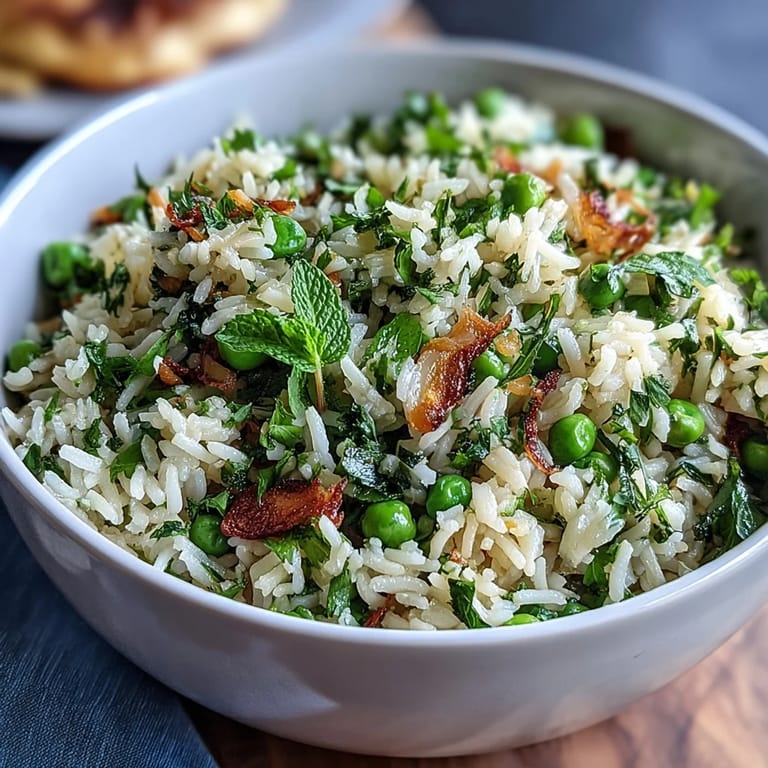
Save There's something about the smell of butter and garlic hitting a hot pan that makes you pause mid-morning routine and think, maybe I should cook something special today. That's exactly what happened last spring when I found myself with a bunch of fresh mint from the farmers market and a craving for something light but satisfying. I'd never given much thought to rice pilaf until that moment, but by the time the peas went in and the whole kitchen smelled like sunshine and herbs, I understood why this simple dish has been quietly showing up on dinner tables for generations.
I made this for the first time to go alongside a ham dinner on Easter Sunday, and what I remember most isn't the main course but how my grandmother kept going back to the rice bowl. She'd take a small spoonful, pause, and smile like she was tasting a memory. Turns out she'd made something similar fifty years ago and had almost forgotten about it, so sharing this dish became its own kind of celebration.
Ingredients
- Long-grain white rice: Basmati or jasmine work beautifully here because they stay separate and fluffy instead of getting mushy, which is honestly the whole point of a good pilaf.
- Low-sodium vegetable broth: This is your base, so don't skimp on the quality—it's worth buying something you'd actually drink on its own.
- Fresh or frozen spring peas: Both work equally well, and I've learned that frozen peas are sometimes fresher than fresh ones because they're picked at peak ripeness.
- Yellow onion and garlic: These two are the flavor foundation, so mince them small and don't rush past this step even though it feels invisible.
- Unsalted butter: It's your vehicle for carrying the onion and garlic flavors into every grain of rice.
- Fresh mint and parsley: The mint is non-negotiable—it's what makes this taste like spring rather than just rice, so use it generously.
- Lemon zest: This tiny detail brightens everything at the very end and makes people ask what your secret ingredient is.
Tired of Takeout? 🥡
Get 10 meals you can make faster than delivery arrives. Seriously.
One email. No spam. Unsubscribe anytime.
Instructions
- Rinse and drain the rice:
- Hold the rice under cold running water and stir it gently with your fingers until the water runs clear instead of cloudy. This removes excess starch and keeps your pilaf from turning into risotto.
- Build your flavor base:
- Melt butter over medium heat, then add the onion and let it soften for a couple minutes until it becomes translucent and smells sweet. The garlic goes in next for just 30 seconds—you want it fragrant but not brown.
- Toast the rice:
- Stir the rinsed rice into the butter and aromatics, coating every grain. You'll hear it click softly against the pan, and that's the sound of the rice toasting slightly, which adds a subtle nuttiness.
- Add your liquid and begin simmering:
- Pour in the broth, add salt and pepper, then bring everything to a boil. Once it's bubbling, reduce the heat to low, cover tightly, and let it simmer undisturbed for 15 minutes.
- Introduce the peas:
- After 15 minutes, stir in the peas—frozen or fresh, straight from wherever they've been waiting. Cover again and cook for 5 more minutes until the rice is tender and the liquid has disappeared.
- Rest and finish:
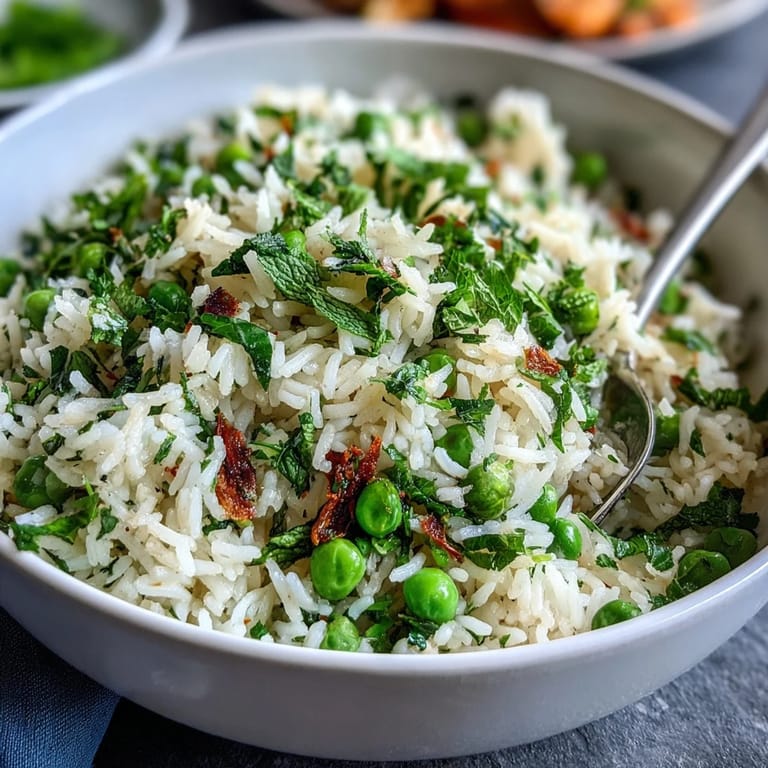
- Remove from heat and let it sit covered for 5 minutes, which gives the rice time to finish absorbing any remaining moisture. Fluff everything with a fork, then fold in the mint, parsley, and lemon zest while the rice is still warm so the herbs release their oils.
 Save
Save The moment I realized this dish had staying power was when my partner started requesting it alongside different mains throughout the spring. It wasn't fancy or complicated, but it had this quiet elegance that made everything around it taste better, and somehow that felt like a kind of magic worth repeating.
The Mint Question
Fresh mint can be polarizing—some people reach for it, others avoid it entirely. What I've learned is that the key is balance and timing. If you're someone who's never been sure about mint, use half the amount suggested and add more at the table. And if you're someone who loves it, chop it right before you stir it in so it stays vibrant instead of darkening and turning bitter.
When to Make It Ahead
This pilaf reheats beautifully, which is genuinely helpful when you're trying to time a dinner with a main course that takes longer than expected. Let it cool completely, store it covered in the refrigerator for up to three days, then warm it gently in a saucepan with a splash of broth over medium-low heat. The texture comes back to life, and the flavors have actually deepened overnight, which is a nice bonus.
Simple Variations That Work
Once you understand the basic formula, you can play with it without losing what makes it special. In summer, I've added corn instead of peas. In fall, I've stirred in toasted pine nuts for texture. The foundation stays solid because the butter, onion, garlic, and broth are doing their job no matter what you add or swap.
- Substitute half the butter with olive oil if you want something lighter or more Mediterranean-leaning.
- Add chopped scallions or fresh dill instead of parsley for a completely different herbal profile that still works beautifully.
- For a vegan version, use plant-based butter or oil and make sure your broth is vegetable-based, which most store-bought versions already are.
 Save
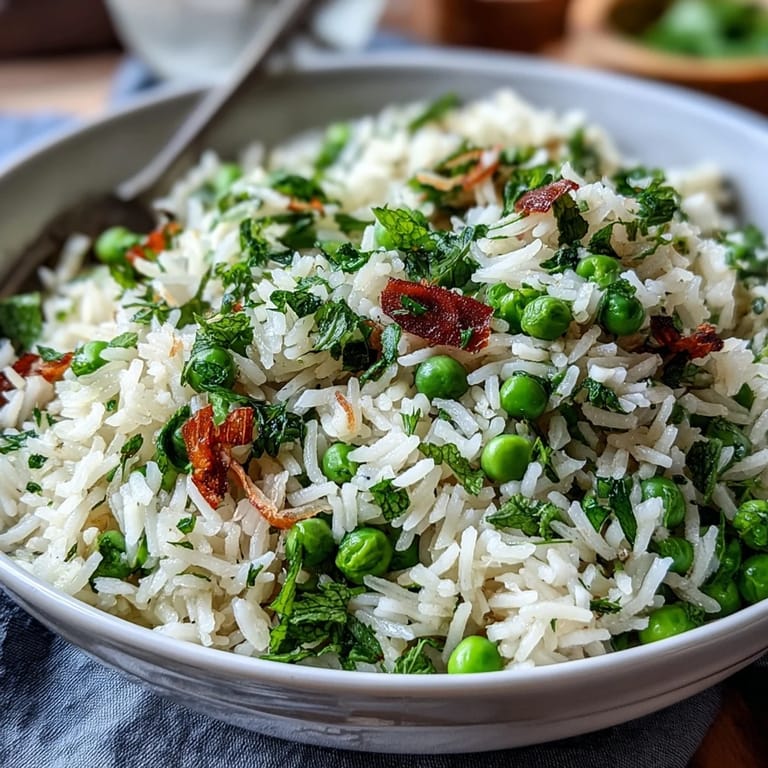
Save This is the kind of recipe that teaches you something about cooking without you realizing it—that simplicity done well beats complexity every time, and that sometimes the most meaningful meals are the quietest ones. Make it once, and you'll find yourself reaching for it again and again.
Recipe FAQs
- → Can I use frozen peas in this dish?
Yes, frozen peas can be added directly from the freezer during the last few minutes of cooking to maintain their sweetness and texture.
- → What type of rice works best for this pilaf?
Long-grain varieties like basmati or jasmine rice provide a fluffy texture and fragrant aroma ideal for this dish.
- → How can I make this dish vegan?
Substitute the butter with plant-based butter or olive oil to keep the dish rich and dairy-free.
- → Is this dish suitable for gluten-free diets?
Yes, as long as you use certified gluten-free vegetable broth, the dish remains gluten-free.
- → Can I prepare this pilaf ahead of time?
Yes, it can be made in advance and gently reheated with a splash of broth to restore moisture.
- → What herbs complement the flavors best?
Fresh mint is the highlight, but adding chopped flat-leaf parsley or chives can add lovely herbal complexity.