 Save
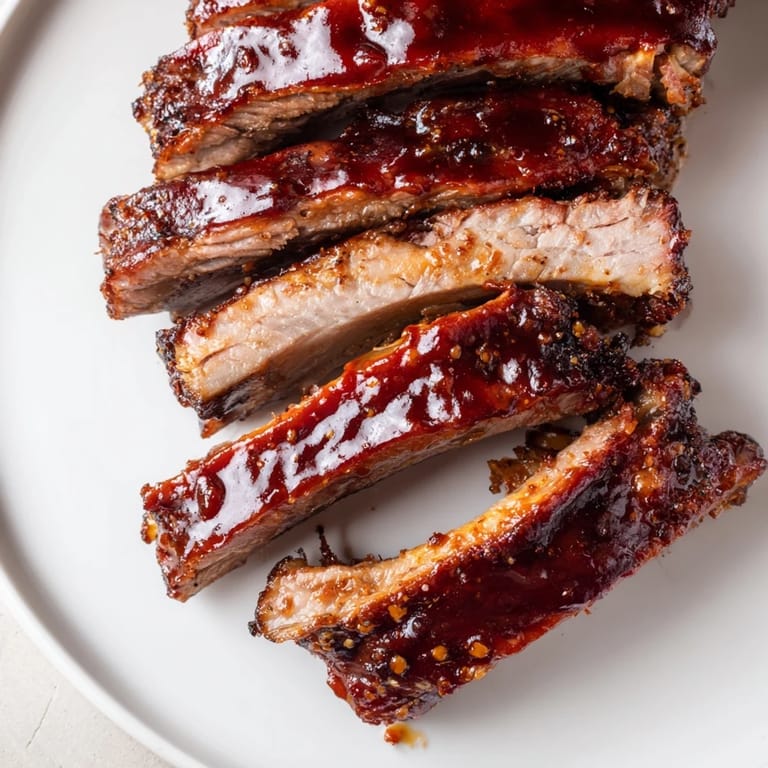
Save My uncle's backyard smelled like smoke and brown sugar the first time I watched him pull ribs from the oven, their edges glistening like they'd been lacquered by hand. He'd been working on his technique for years, testing different temperatures and timing, and that afternoon something finally clicked. The meat fell from the bone with barely a touch, and the sauce caramelized into this dark, sticky glaze that tasted like summer itself. I stood at the edge of the patio with a plate, watching people close their eyes while they ate, and I realized ribs weren't really about the meat—they were about taking time to do something right.
I made these for a small dinner party last spring, nervous because I'd never done ribs before, only ever ordered them from restaurants. My partner kept opening the oven door to check on them, filling the kitchen with heat and anticipation, and I had to gently remind them that patience was the whole point. When we finally pulled them out and that glaze went on, the transformation was so dramatic that everyone actually stopped talking at the table for a moment. That silence told me everything I needed to know about whether they'd turned out.
Ingredients
- Pork or beef ribs (1.5–2 kg / 3–4 lbs): Look for ribs with good meat coverage and avoid ones that look too thin or dried out at the edges; beef ribs are beefier in flavor while pork ribs are slightly sweeter.
- Olive oil (2 tbsp): This helps the dry rub stick and prevents the ribs from drying out during the long, low cooking.
- Brown sugar (2 tbsp): Creates sweetness and helps form the caramelized crust; don't skip this as it balances the savory spices.
- Smoked paprika (1 tbsp): The backbone of the rub's flavor, giving that authentic barbecue taste without needing an actual smoker.
- Garlic powder (1 tsp): Adds depth without overpowering, blending into the background of all the other flavors.
- Onion powder (1 tsp): Works with the garlic to create a savory base that makes people wonder what your secret ingredient is.
- Ground black pepper (1 tsp): Brings a subtle heat and sharpness that cuts through the richness of the meat.
- Salt (1 tsp): Essential for drawing out flavors and seasoning the meat throughout, not just on the surface.
- Cayenne pepper (½ tsp, optional): A whisper of heat that lingers pleasantly; use it if you like a gentle kick at the end.
- Barbecue sauce (1 cup): Store-bought is perfectly fine here, so don't feel pressured to make your own unless you want to.
- Honey (2 tbsp): Adds a floral sweetness and helps the glaze caramelize into something truly sticky and glossy.
- Apple cider vinegar (1 tbsp): Cuts through the sweetness and richness, brightening the sauce so it doesn't become cloying.
Tired of Takeout? 🥡
Get 10 meals you can make faster than delivery arrives. Seriously.
One email. No spam. Unsubscribe anytime.
Instructions
- Prepare your space and heat:
- Preheat your oven to 150°C (300°F) and line a large baking sheet with aluminum foil for easy cleanup. The low, steady heat is what transforms tough ribs into something tender, so don't be tempted to crank up the temperature.
- Clean and dry the ribs:
- Look for that thin, papery membrane on the back of the ribs and peel it away if it's there—it keeps the rub from penetrating properly. Pat the ribs completely dry with paper towels so the oil and rub adhere evenly.
- Coat with oil and spices:
- Rub olive oil all over both sides of the ribs until they have a light coating, then mix your dry rub ingredients in a small bowl and massage it onto the meat generously, making sure to get into all the crevices. The rub should look dark and fragrant, like you've wrapped the ribs in flavor.
- Seal and slow-cook:
- Place the ribs meat-side up on the foil-lined baking sheet and cover tightly with another sheet of aluminum foil, creating a seal that holds in steam and moisture. Let them bake low and slow for 2 to 2½ hours, until the meat pulls away from the bone with the gentlest touch and looks almost mahogany colored.
- Mix your glaze:
- While the ribs are doing their long, quiet cooking, combine barbecue sauce, honey, and apple cider vinegar in a bowl and stir until smooth. The vinegar might seem like a small addition, but it's what keeps the sauce from tasting one-dimensional.
- High-heat finish:
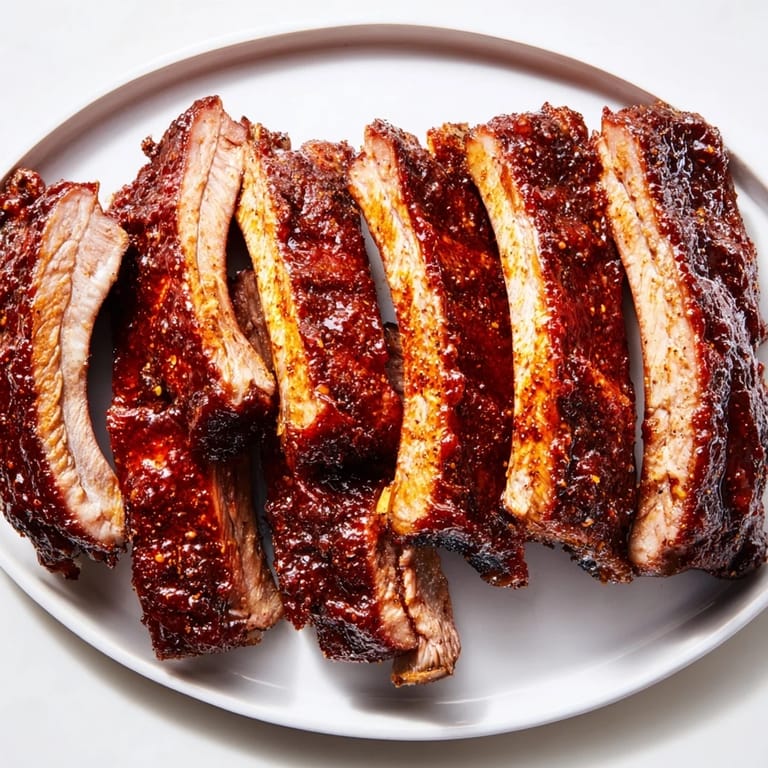
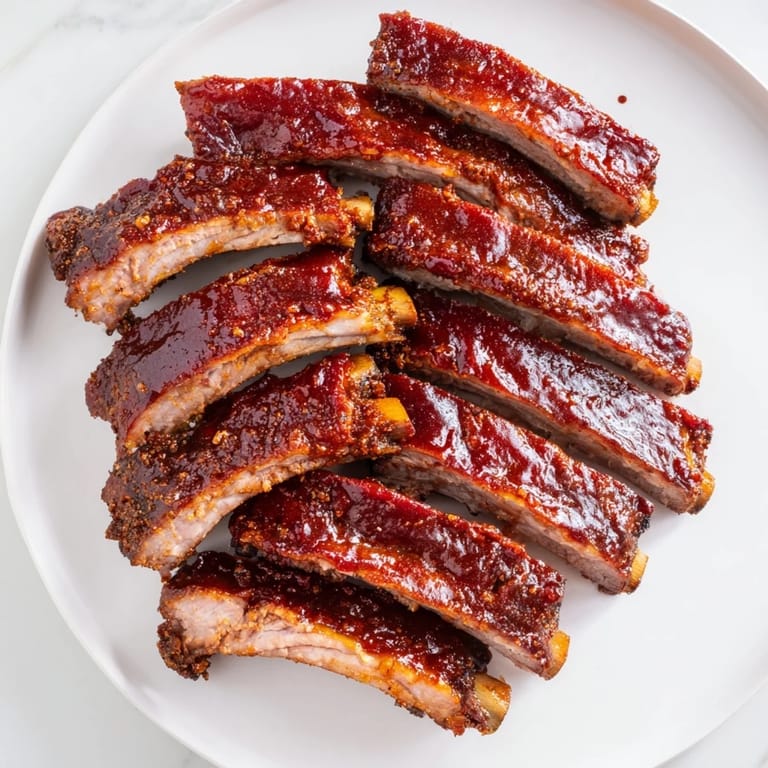
- After removing the ribs from the oven, crank the heat to 220°C (425°F) or fire up your grill to medium-high, then brush the ribs generously with your sauce mixture. Return them to the heat for 10 to 15 minutes, basting once more halfway through, until the glaze darkens and becomes sticky and caramelized.
- Rest and serve:
- Let the ribs rest for 5 minutes so the juices settle back into the meat, then slice between the bones with a sharp knife. Serve with extra sauce on the side and watch people smile.
 Save
Save There's something almost meditative about waiting for ribs to cook—two hours gives you time to set the table, prepare sides, or just sit outside thinking about how good they're going to taste. I've learned that anticipation is part of the recipe too, a kind of hunger that makes the meal taste better when it finally arrives.
Choosing Your Ribs
Pork ribs tend to be more forgiving and a bit sweeter, while beef ribs are meatier and have a deeper flavor that stands up well to bold spices. If you're new to this, pork is a gentler introduction, but honestly either one works beautifully with this method. The key is picking ribs with good color and visible marbling—avoid anything that looks pale or paper-thin, as those won't have enough fat to stay juicy through the long cooking.
The Sauce Question
You can absolutely use store-bought barbecue sauce here without any shame, and many people prefer it that way because it's consistent and reliable. If you want to make your own, it's just tomatoes, vinegar, sugar, and spices simmered together, but that's a separate project entirely. The honey and apple cider vinegar additions are really what elevate whatever sauce you choose, making it feel more refined and intentional.
Taking It Further
Once you're comfortable with this method, you can start experimenting with different spice combinations in your rub—try using smoked salt instead of regular salt, or add a touch of coffee powder for depth. The low-and-slow oven method is also the perfect foundation for trying different glazes, from maple to mustard-based. If you have access to a grill, finishing the ribs over indirect heat instead of in the oven gives them an authentic smoky flavor that's hard to beat.
- Serve alongside creamy coleslaw to cut through the richness, or with cornbread to soak up every drop of sauce.
- Leftover ribs actually taste better the next day, making them perfect for batch cooking before a gathering.
- Keep extra sauce at the table because people will always want more.
 Save
Save These ribs have a way of bringing people together without any fuss—they're impressive enough to serve at a dinner party but casual enough for a backyard afternoon with friends. Make them once and they'll become something you return to again and again, each time getting a little bit better at knowing exactly what to listen for when you pull them from the oven.
Recipe FAQs
- → What type of ribs works best for this dish?
Pork ribs or beef ribs both work well. Choose meaty, well-marbled ribs for the best tenderness and flavor.
- → How do I ensure ribs become tender and juicy?
Slow cooking at low temperature for 2 to 2.5 hours helps break down connective tissues resulting in tender, juicy meat.
- → Can I use a grill instead of the oven?
Yes, after slow baking you can finish ribs over medium-high indirect heat on a grill to develop smoky flavors and caramelize the glaze.
- → What is the purpose of the dry rub?
The dry rub made of brown sugar, smoked paprika, and spices adds a deep, smoky and sweet flavor that enhances the ribs before cooking.
- → How should I serve these ribs?
Let the ribs rest after cooking, then slice between the bones. They pair nicely with sides like coleslaw, cornbread, or baked beans.
- → Is it possible to adjust sweetness in the glaze?
You can substitute honey with maple syrup or adjust the barbecue sauce sweetness according to preference.